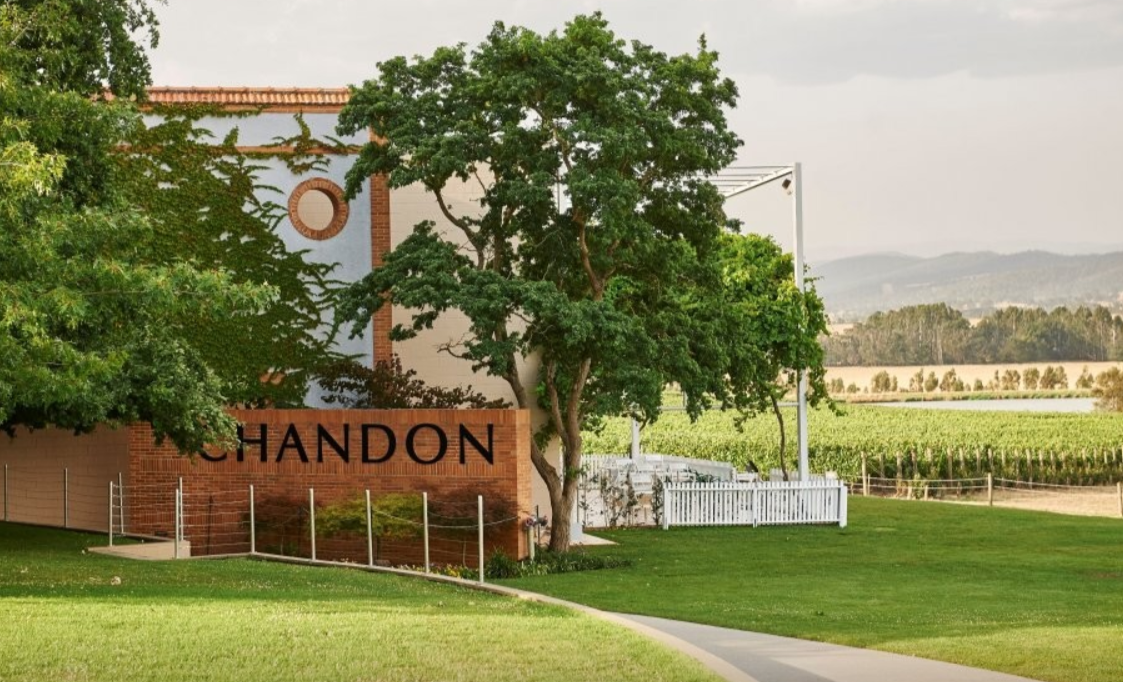
Domaine Chandon
This vineyard specializes in traditional method sparkling wine and features expansive grounds. Visitors can observe the production process before heading to the tasting room.
Walk the exterior terrace for views over the vine rows.

The Yarra Valley sits an hour east of Melbourne, anchored by more than 80 cellar doors, farm-gate producers, and a patchwork of cool-climate vineyards that draw wine enthusiasts and day-trippers year-round. The region itself charges no entry fee, though individual wineries, distilleries, and attractions set their own rates. This guide weighs the costs, logistics, and seasonal considerations that shape whether a visit delivers value for your schedule and interests.
Quick answer
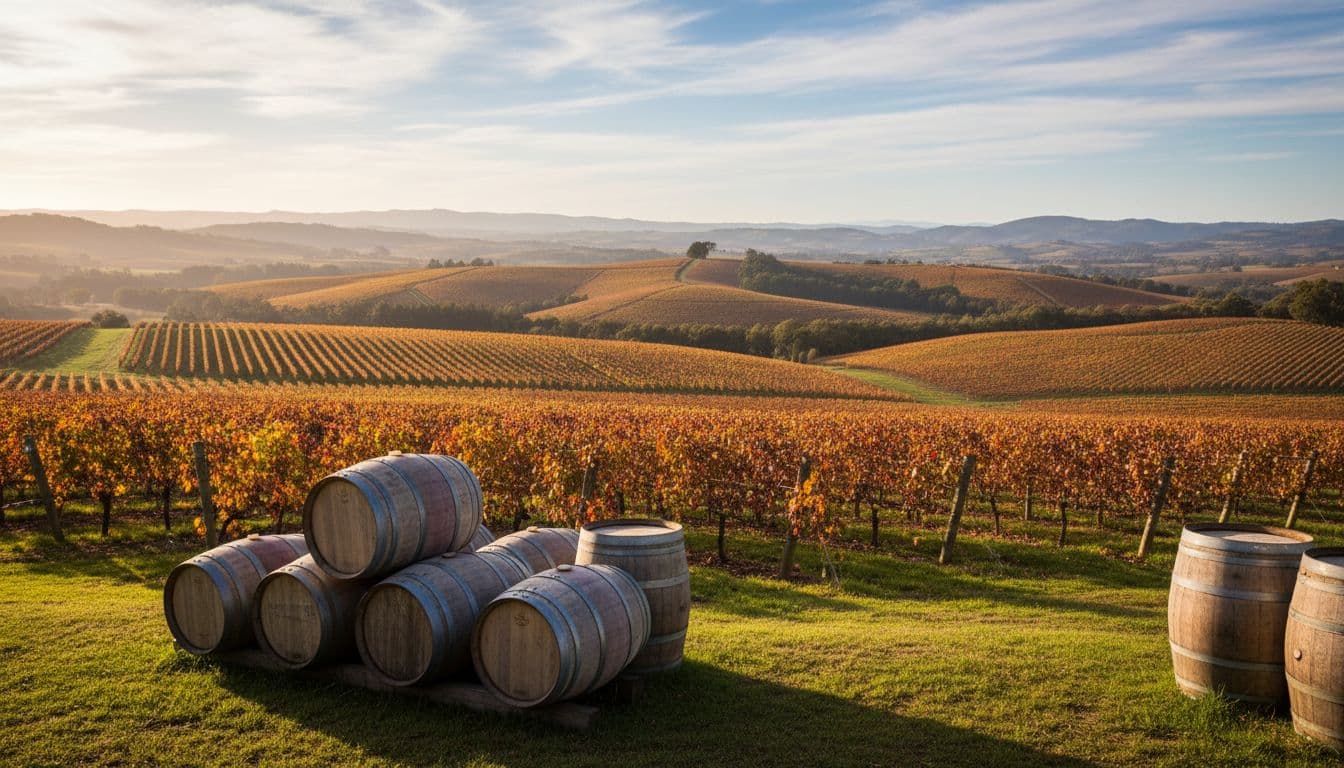
Yes, Yarra Valley is worth visiting if wine tasting, artisan food, and rolling countryside appeal to you. The region is open daily around the clock with free access, though cellar-door tastings typically cost 5 to 20 AUD per person and premium experiences run higher. Most visitors allocate a full day, arriving between 09:00 and 11:00 to secure parking and avoid mid-afternoon crowds at popular estates.
More than 160,000 visitors tour the Yarra Valley each year, drawn by a concentration of cool-climate viticulture that rivals older Australian wine regions in both output and reputation. The valley stretches across 70 kilometres of undulating terrain, planted predominantly with Pinot Noir and Chardonnay vines that thrive in the maritime-influenced microclimate. Unlike gated parks or ticketed monuments, the region operates as a working agricultural landscape, which means access is unrestricted but nearly every commercial experience carries a separate fee. Whether Yarra Valley justifies the journey depends on how you value immersive, slower-paced exploration versus checklist sightseeing. A typical itinerary spans four to six hours and includes three to four cellar doors, a produce stop, and a meal at one of the valley's farm-to-table restaurants. Tastings at smaller family estates often cost between 5 and 10 AUD per person and are waived with purchase, while flagship wineries charge 15 to 20 AUD for curated flights that include reserve labels. Distilleries and cider houses follow similar models, with gin and whisky tastings priced around 10 to 15 AUD. The cumulative cost for a day that includes lunch, tastings, and a bottle or two to take home generally lands between 150 and 250 AUD per person. Seasonal variation shapes both the scenery and the crowds. Autumn delivers the harvest period and the most vivid foliage, while spring brings wildflowers and quieter tasting rooms. Summer weekends see the heaviest foot traffic, particularly at estates with outdoor seating and live music. Winter remains the least visited season, though many venues close early or operate reduced hours between June and August. The valley's food scene extends beyond wine: cheese makers, berry farms, chocolatiers, and bakeries cluster along the main routes, and several offer free tastings or farm tours by appointment. Transport logistics matter. Most visitors drive, either in a private vehicle or as part of a guided tour, since public transit does not connect the scattered estates. Rideshare services operate in the area but availability drops sharply outside peak hours. If wine tasting is central to your plan, booking a tour with a designated driver removes the constraint and allows you to sample freely. Self-drivers often designate a non-drinking navigator or limit tastings to small pours. The question of whether Yarra Valley merits a visit reduces to whether you seek an experience built around slow consumption, tactile engagement with producers, and a landscape shaped by agriculture rather than architecture. The region does not offer monumental landmarks or high-density attractions, and visitors expecting a condensed, urban-style itinerary may find the pace too diffuse. For those who value craft beverages, direct-from-source food, and rural scenery, the valley delivers consistent quality across a broad range of price points.
“The valley stretches across 70 kilometres of undulating terrain, planted predominantly with Pinot Noir and Chardonnay vines that thrive in the maritime-influenced microclimate.”
The Yarra Valley offers a diverse collection of experiences, ranging from established cool-climate vineyards to artisanal spirit producers and expansive natural landscapes. These regional highlights provide a balanced itinerary for those exploring the area's culinary and outdoor character.
This vineyard specializes in traditional method sparkling wine and features expansive grounds. Visitors can observe the production process before heading to the tasting room.
Walk the exterior terrace for views over the vine rows.
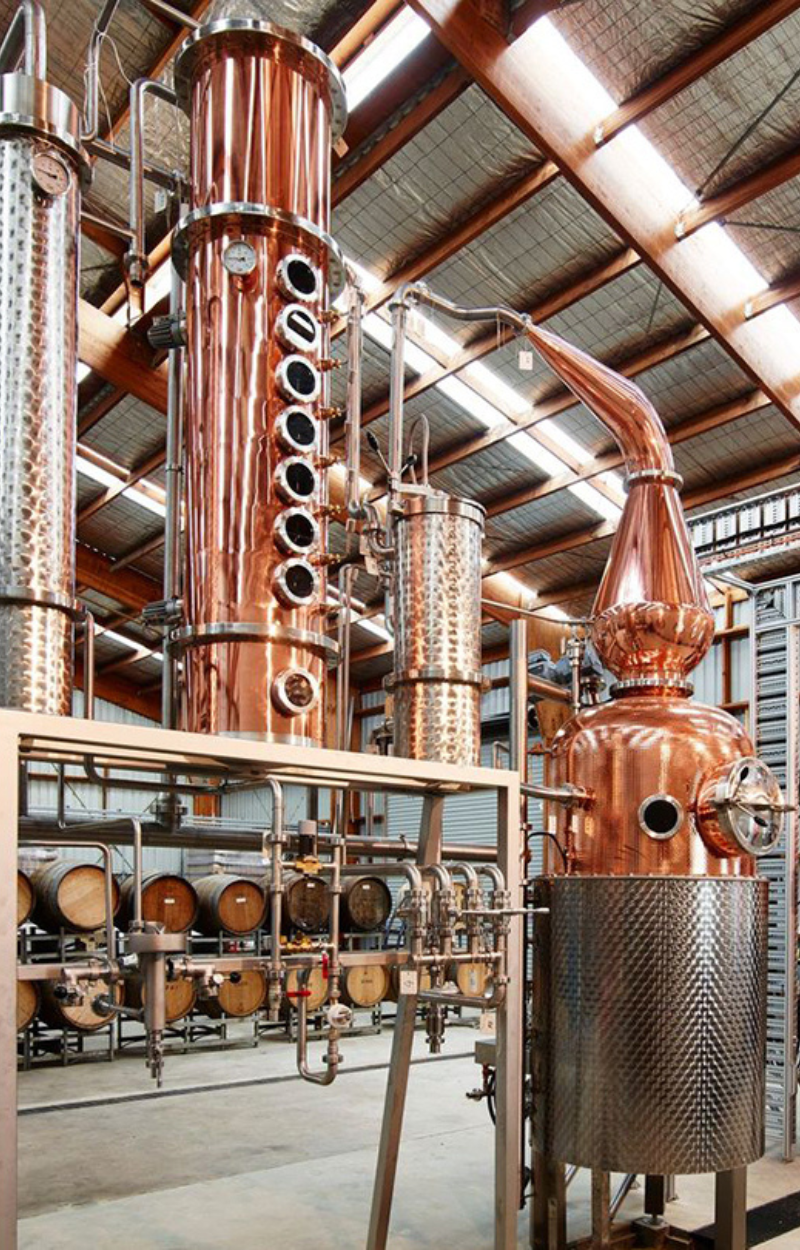
Located in Healesville, this distillery produces a variety of craft gins using Australian botanicals. The space allows guests to see the copper stills in operation.
Book a gin flight to compare different botanical profiles.
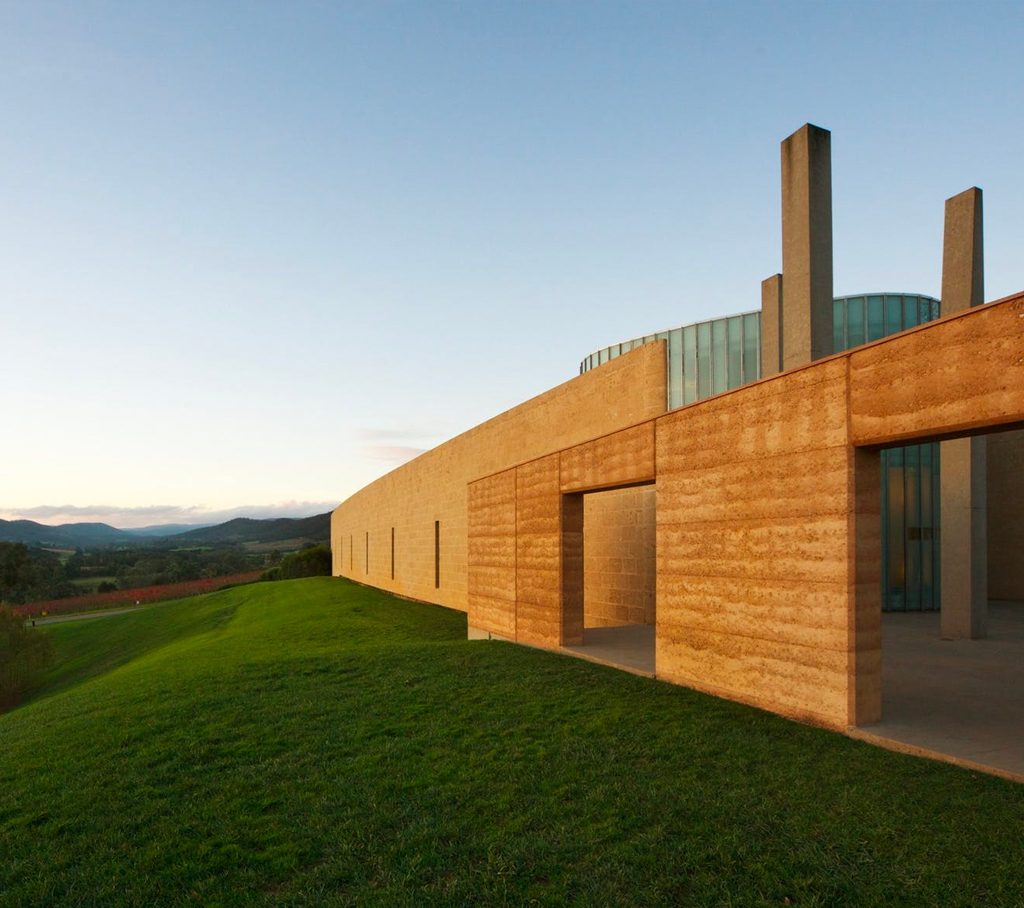
This museum houses a significant collection of modern and contemporary Australian art within a distinctive architectural building. It overlooks the surrounding valley and vineyards.
Visit the lower gallery to view seasonal exhibition rotations.
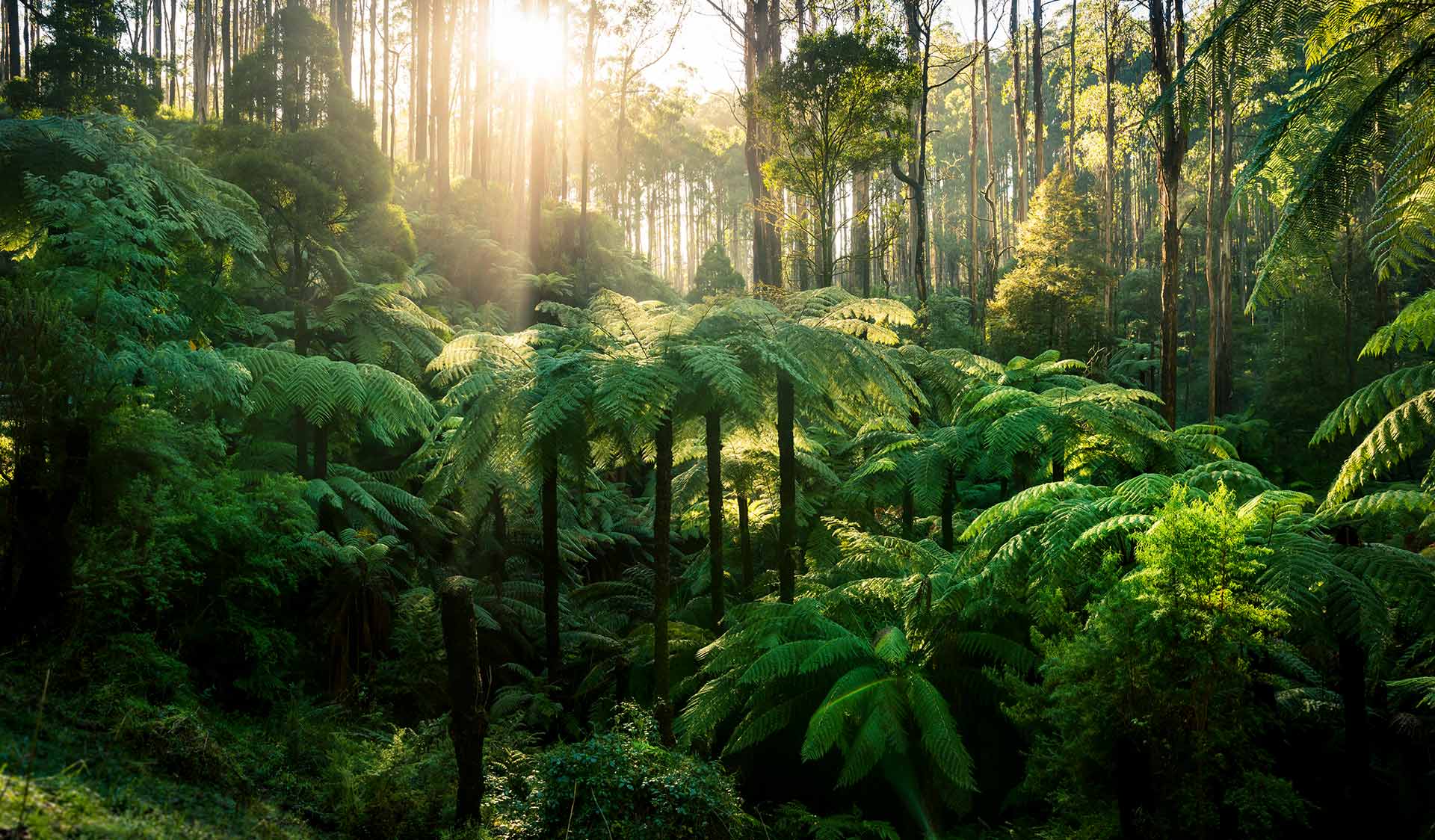
This protected area features tall mountain ash forests and diverse hiking trails. It provides a natural contrast to the cultivated vineyard landscapes nearby.
Check local weather reports before heading to the higher elevations.
The Yarra Valley is located in Victoria, Australia, approximately 50 to 90 kilometers northeast of Melbourne. Travelers generally access the region via private vehicle or organized transport services to navigate the spread-out vineyard locations efficiently.
Maroondah Highway (B360) or Melba Highway (B300)
Public transport via Lilydale Station, then local bus connections
Direct transfer from Melbourne CBD via M3 and Maroondah Hwy
For the best experience, plan your arrival between 09:00 and 11:00 to avoid mid-day crowds at popular wineries and tourist attractions.
Access to the Yarra Valley region is free, meaning your visit costs depend entirely on the specific wineries, gin distilleries, or activities you choose to experience. You only pay for the services and products you select at individual venues.
Verdict: A typical adult visitor spends between 10 AUD and 30 AUD per venue, with total costs determined by the number of tastings or activities selected.
The Yarra Valley region remains accessible every day of the week, allowing flexibility for your travel planning. While the region itself is open continuously, individual winery and attraction operating hours vary.
A few practical steps will help you make the most of your Yarra Valley visit.
Everything you need to know about is yarra valley worth visiting
Travelers frequently ask if Yarra Valley worth visiting because it offers a distinct look at Victoria's agricultural landscape and cool-climate viticulture. The region provides diverse landscapes, ranging from lush forests to expansive vineyards, making it a valuable stop for nature enthusiasts. Many visitors find the combination of scenic beauty and local produce highly rewarding.
To ensure a smooth experience, the best arrival window is 09:00–11:00. Arriving during this time helps you avoid mid-day crowds at popular wineries and tourist attractions. Planning your journey to align with this schedule often results in a more relaxed itinerary.
While many come for the wine and gin, the region offers plenty of outdoor activities, wildlife sanctuaries, and artisanal food markets that make it worth visiting regardless of your drink preferences. You can enjoy the scenery, local galleries, and farm-to-table dining experiences throughout the area. It is a well-rounded destination for anyone interested in regional Victorian culture.
The official entrance fee to the region is 0 AUD. Please note that individual venues, such as specific wineries or wildlife parks, charge separate fees for their tours or tasting experiences. You should budget accordingly based on the specific sites you intend to visit.
The area is very family-friendly, offering wide-open spaces, interactive wildlife experiences, and various fruit-picking opportunities that make it worth visiting with children. Many estates provide expansive gardens where families can enjoy a picnic or casual outdoor activities. It is an excellent choice for a change of pace from the city environment.
A common mistake is failing to account for travel time between sprawling sites, which leads to a rushed day. Visitors often underestimate how much time they need at each vineyard or attraction. Planning your route in advance allows you to enjoy the Yarra Valley landmarks without feeling pressured.
Even on a short trip, it is worth visiting to experience a sample of regional Victoria. Because it is located relatively close to Melbourne, you can easily integrate a day trip into your itinerary. Focusing on one or two specific areas or a guided Yarra Valley wine gin tour can maximize your time.